
Updated: April 6, 2026
Most problems in your home give you a heads-up. A strange noise. A slow leak. Something that feels just a little off. Gas leaks are different—they’re easy to miss until they’re not. The good news is your home usually gives you subtle clues. You just have to know what to look for.
Know The 8 Signs of a Gas Leak
Gas leaks are one of the most dangerous problems a homeowner can face. Even a small leak can quickly lead to fire, explosion, or serious health issues. If you notice any of these signs, don’t wait or try to investigate on your own. Leave your home immediately, avoid using lights or electronics, and call for help from a safe location outside. Acting quickly can make all the difference in protecting your home and the people in it. At Bulldog Rooter, we understand how urgent these situations are and are ready to help you take the next step safely.
How To Tell If You Have a Gas Leak
1. Rotten Egg or Sulfur Smell
The first thing most people associate with a gas leak is the smell. A strong smell of rotten eggs or sulfur is one of the clearest signs of a gas leak. Natural gas is odorless, but utility companies add a chemical called mercaptan to give it a strong, recognizable odor. This is done specifically to make gas leaks easier to detect. The smell often becomes stronger near the source of the leak, such as appliances, gas lines, or the meter. If you notice this odor in your home, don’t ignore it. Leave the area and call for help from a safe location outside.
2. Hissing or Whistling Sounds Near Gas Lines
Unusual hissing or whistling sounds around gas appliances or pipelines can signal a leak. These noises happen when gas escapes through a crack, hole, or loose connection in the pipe. The louder the sound, the larger the leak is likely to be. Focus on areas near your stove, furnace, or water heater, especially in utility rooms, basements, or near your gas meter. If you hear anything unusual, contact a professional immediately rather than trying to fix it yourself. Handling gas lines without proper training is extremely dangerous.

3. Dead or Dying Houseplants
Indoor plants can often serve as early warning signs for a gas leak. If your houseplants are wilting, yellowing, or dying despite regular care, natural gas could be the reason. Gas leaks can affect indoor air quality, which may cause plants to wilt, yellow, or die even with proper care. Since plants are highly sensitive to air quality, changes in their health can be an early indicator of trouble. If several plants are showing these symptoms, it’s worth investigating for a potential leak.

4. Physical Symptoms in People and Pets
Gas leaks can cause health problems for both humans and pets. Symptoms like dizziness, nausea, shortness of breath, fatigue, and headaches are common. Prolonged exposure can lead to more severe issues, including confusion or even unconsciousness. Pets may show signs such as lethargy, vomiting, or difficulty breathing. Animals are often more sensitive to gas exposure than humans, so their behavior might provide an early warning. If multiple people or pets are experiencing these symptoms at the same time, treat it as a serious warning—leave your home immediately and call for help.
5. Bubbles in Standing Water or Mud
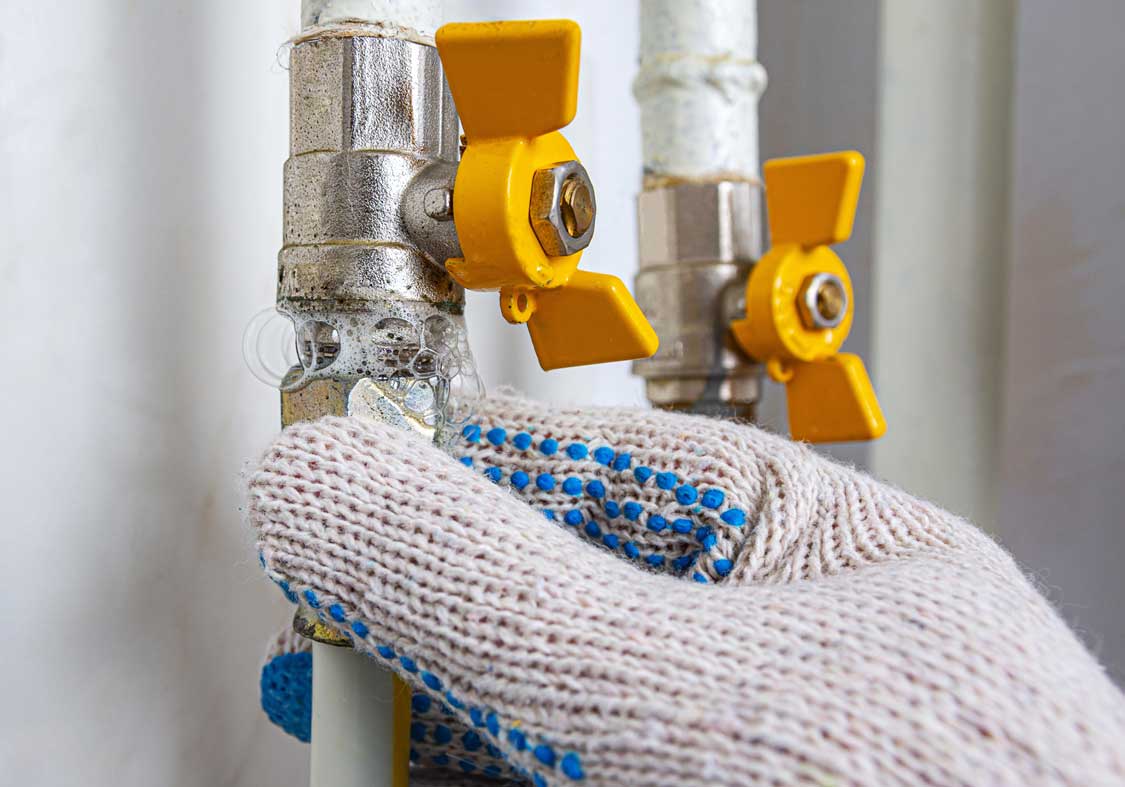
Bubbles forming in standing water or muddy areas outdoors could point to an underground gas leak. Gas escaping from buried pipelines can travel through the soil and create bubbles when it surfaces kind of how air bubbles rise up through water when something is leaking below the surface. You might notice this near your gas meter or along buried lines in your yard. Even though it may seem minor, it’s a clear sign something isn’t right. Don’t hesitate to call a professional to investigate.
6. Discolored or Dead Outdoor Vegetation
Patches of dead or discolored vegetation near gas lines can also indicate a leak. Natural gas seeping into the soil cuts off oxygen to plant roots, causing them to die. Unlike general lawn issues from pests or drought, gas-related damage is usually confined to specific spots near gas lines. If you see unusual patterns of dead or brown plants in your yard, call in a professional to check for a leak.

7. Malfunctioning Gas Appliances or Pilot Lights
Gas appliances that aren’t working as they should can sometimes be a warning sign. Appliances like your stove, furnace, or water heater might struggle to perform, or you might notice weak flames. Pilot lights that burn yellow or orange instead of blue, or that go out frequently, can indicate problems with the gas supply. While these issues might seem minor, they could point to a more serious safety concern. Have a technician inspect your appliances and gas lines to ensure everything is working properly.
8. Unusually High Gas Bills
A sudden spike in your gas bill without any change in usage habits can be a sign of a leak. Small leaks often go unnoticed for a long time, wasting gas and driving up costs. Regularly checking your utility bills can help you spot unusual patterns. If you suspect a leak, turn off your gas supply and contact a professional to inspect your system as soon as possible.
Don’t Let a Gas Leak Put Your Family at Risk
Gas leaks are no joke. They can quickly turn into dangerous situations, putting your home and loved ones at risk. But with Bulldog Rooter on your side, you don’t have to face this challenge alone. Our team of experienced professionals is here to provide the swift, dependable service you need to keep your family safe.
Don’t wait until it’s too late. If you suspect a gas leak, leave your home right away and call your gas provider. Once you’re safe, our team can inspect and repair the issue quickly.