Updated: January 21, 2026
Pipe corrosion is one of those plumbing problems that often starts quietly and gets expensive fast. Many Spokane-area homes have older plumbing, which means corrosion can develop long before a leak shows up. Knowing the early signs can help you protect your home and avoid surprise water damage.
Below, we’ll break down the most common types of corrosion found in household pipes, what causes them, and what you can do next.
What Is Pipe Corrosion?
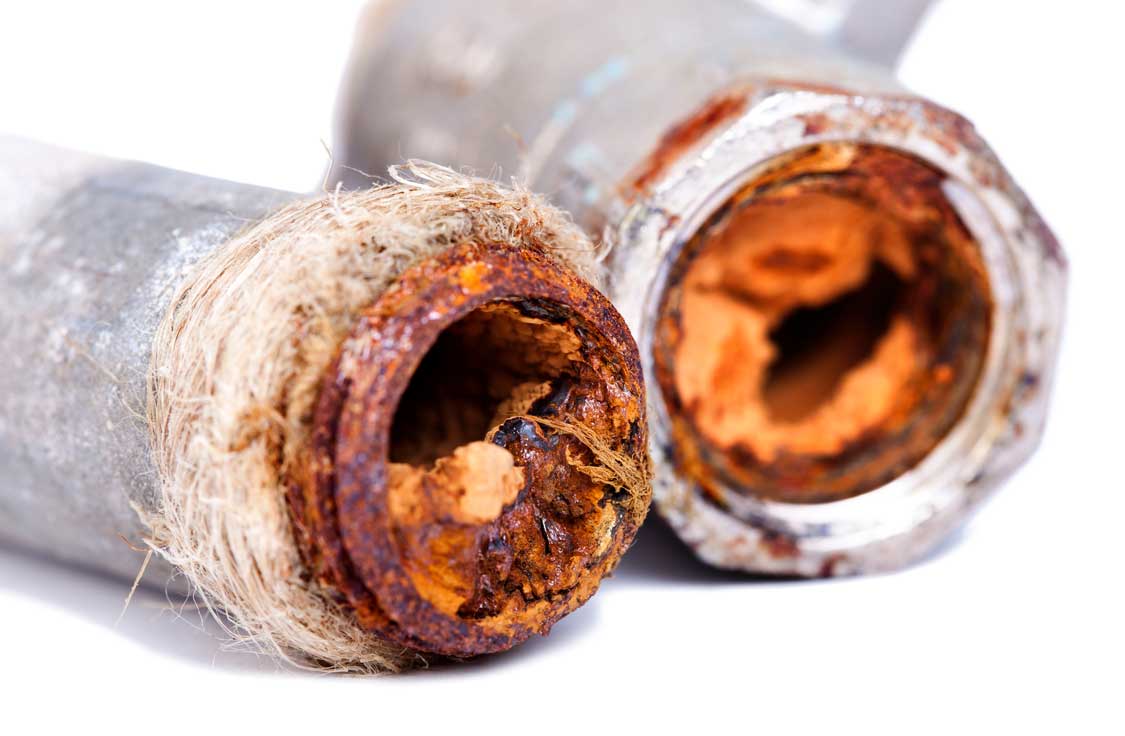
Corrosion happens when metal pipes slowly break down due to chemical reactions with water, oxygen, or minerals. Over time, this weakens the pipe walls and can lead to leaks, low water pressure, or pipe failure.
Copper pipes don’t “rust” like steel, but they do corrode — and the warning signs look different.
Generalized Corrosion (Widespread Pipe Wear)
Generalized corrosion affects large sections of a pipe evenly over time. This is common in older plumbing systems and often goes unnoticed until problems stack up.
Common signs include:
- Discolored or cloudy water
- A metallic taste or smell
- Gradual drops in water pressure
- Frequent small leaks in different areas
This type of corrosion is often caused by aging pipes, aggressive water chemistry, or constant exposure to oxygen. While it may not cause an immediate failure, it weakens pipes across the system and increases the risk of future leaks.
Localized Corrosion (Pitting and Spot Damage)
Localized corrosion happens in specific areas rather than along the entire pipe. Pitting corrosion is especially common in copper pipes and can be hard to spot until a leak forms.
Watch for:
- Blue-green stains on sinks, tubs, or fixtures
- Small pinhole leaks
- Damp spots on walls or ceilings
- Unexpected water damage in one area
Blue or green corrosion on copper pipes isn’t just cosmetic — it’s often a sign the pipe wall is thinning from the inside.
What Causes Corrosion in Household Pipes?
Several factors can speed up corrosion, including:
- Water with unbalanced pH levels
- High mineral content
- Poor pipe installation
- Temperature changes
- Dissimilar metals connected in the plumbing system
Homes with older plumbing are more likely to experience these issues, especially if corrosion has never been inspected before.
How Are Corroded Pipes Fixed?
The right solution depends on how advanced the corrosion is. Minor issues may be addressed with targeted repairs, while widespread corrosion can require pipe replacement or system upgrades.
A professional inspection helps identify:
- Whether corrosion is isolated or system-wide
- If repairs are safe or temporary
- The best long-term solution for your home
When to Call Bulldog Rooter
If you’re noticing discolored water, blue-green stains, recurring leaks, or pressure problems, it’s worth having your home’s plumbing inspected . Bulldog Rooter is available 24/7 to help Spokane-area homeowners catch corrosion early and prevent bigger problems.
We’ll walk you through what’s happening, explain your options clearly, and help you decide what makes the most sense for your home — no pressure, no surprises.