Every year around the first hard freeze, our phones start ringing with the same question: “Why are all my drains suddenly so slow?” If your kitchen sink is taking its time, the shower is pooling around your ankles, or the basement floor drain is gurgling, you’re not imagining it. Drains really do slow down in winter, and Spokane’s cold, snowy months make several of the causes worse.
Below, our team at Bulldog Rooter explains what’s behind slow drains in winter, how to tell a simple clog from a bigger problem, and what you can safely do about it before the holidays put extra strain on your plumbing.
Quick Answer: Why Do Drains Slow Down in Winter?
Most winter slow drains in the Spokane area come from one of five things: grease hardening in cold pipes, a frozen or snow-blocked plumbing vent, heavier holiday use, tree roots or shifting soil in an older sewer line, or a septic system slowing down in the cold. If one fixture is slow, it’s usually a local clog you can often handle yourself. If several drains are slow at once, or you hear gurgling, the problem is likely deeper in the main line or the vent, and it’s time to call a professional.
7 Common Causes of Slow Drains in Winter
1. Grease and Food Waste Harden Faster in Cold Pipes
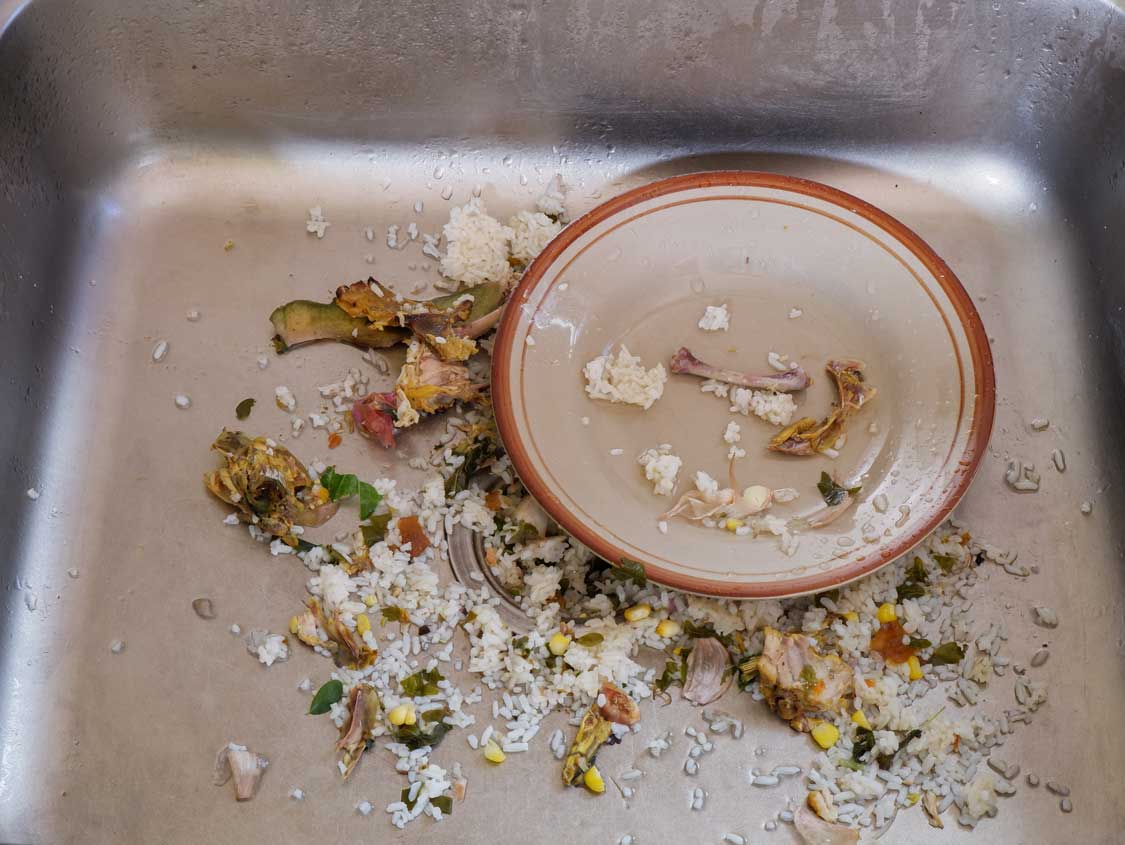
Cooking grease, butter, gravy, and pan drippings go down the drain as a liquid, but they don’t stay that way. Once they reach pipes running through a cold crawl space, an exterior wall, or a sewer line buried in chilly November soil, they cool and solidify into a sticky coating that catches food scraps and soap. Layer by layer, the opening shrinks.
That’s why late November is one of our busiest times for kitchen drain calls. Thanksgiving dinner sends more grease, potato peels, and food waste down Spokane drains in one day than most homes see in a month. Learn more about the things you should never put down your drain.
2. A Frozen or Snow-Capped Plumbing Vent
Your drains need air to flow. Every home has a vent pipe that runs up through the roof so air can enter the drain system as water leaves. During a deep Inland Northwest cold snap, warm, moist air rising out of that vent can freeze at the opening and build a cap of frost. Heavy snow can bury short vents too.
When the vent is blocked, water has to pull air through the nearest drain instead. You’ll notice:
- Gurgling sounds from sinks, tubs, or toilets
- Several drains slowing down at the same time
- Toilets that flush weakly or bubble
- Sewer odors inside the home
Please don’t climb onto an icy roof to check it. A blocked vent is a common winter call for our plumbers, and in cold climates the fix is often permanent, such as upsizing the vent where it passes through the roof so frost can’t close it off.
3. Holiday Guests and Heavier Use
From Thanksgiving through New Year’s, many Spokane households host family for days at a time. More showers, more laundry, more dishes, and more toilet flushes put a lot more water and waste through your system. A drain line that was already partly narrowed by buildup can handle normal use, but it slows down or backs up under a holiday load.
4. Tree Roots in Older Sewer Lines
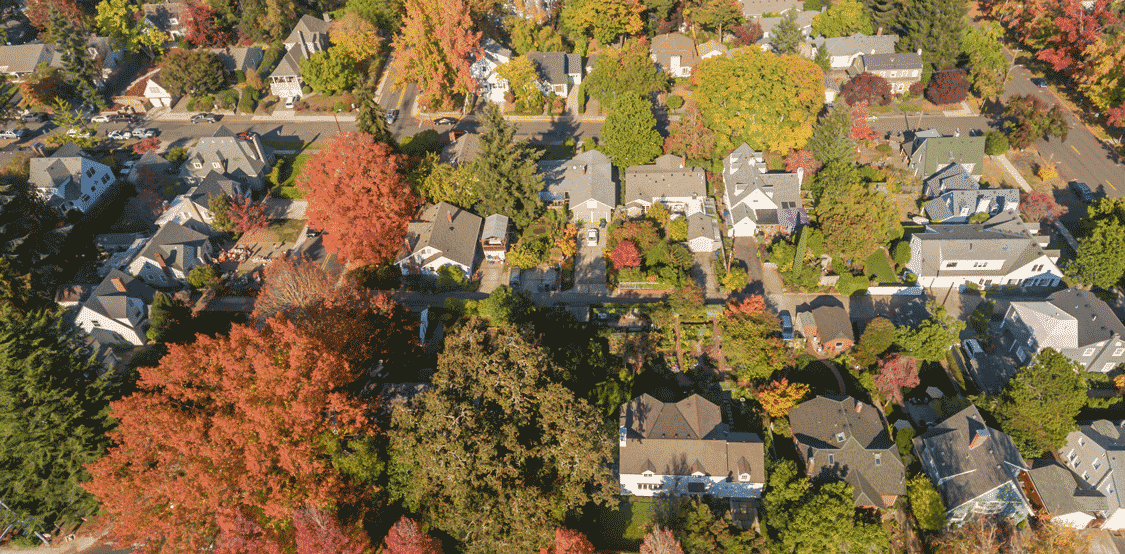
Many homes on the South Hill, in the Garland and Logan neighborhoods, and across older parts of Spokane and Spokane Valley still have original clay or cast-iron sewer lines. As the soil dries out in fall, tree roots go looking for moisture, and the small cracks and joints in old sewer pipes are an easy target. Roots that work their way in during autumn catch paper and waste through the winter, and drains slow down gradually across the whole house.
A sewer camera inspection is the fastest way to confirm roots. We see it so often that we wrote about one Spokane home where tree roots finally won.
5. Freeze-Thaw Cycles Shifting the Sewer Line
Spokane winters rarely stay frozen. We bounce between single digits and above-freezing thaws, and that freeze-thaw cycle makes the ground expand and settle over and over. Shallow or older sewer lines can sag (plumbers call this a “belly”) or separate slightly at the joints. Water and waste collect in the low spot, and solids settle out, which creates a slow drain that keeps coming back no matter how often you clear it.
6. Septic Systems Slow Down in the Cold
If you live outside city sewer service in places like Deer Park, Nine Mile Falls, Medical Lake, Rathdrum, or rural Spokane County, your septic system does its work with bacteria, and those bacteria slow down in cold temperatures. Add heavy holiday use, a tank that’s overdue for pumping, or a drainfield packed down by vehicles or snow-plowing, and drains throughout the house can turn sluggish.
One tip many homeowners don’t know: leave the snow on your drainfield. Snow cover insulates the soil and helps keep the system working. Keep vehicles and plowed snow piles off of it. Our septic system services cover rural homes across Eastern Washington and North Idaho.
7. Partly Frozen Drain Lines and Winter Grit
Drain lines that run through unheated crawl spaces, garages, or the underside of a manufactured home can partly freeze during an arctic blast, especially fixtures that don’t get used often. Garage and basement floor drains also collect the sand, grit, and de-icer that melt off vehicles after a drive on Spokane’s winter roads, and that grit settles in the trap and the line.
One Slow Drain or Several? What It Tells You
- One slow fixture (a single sink or tub): Usually a local clog of hair, soap, or grease in the trap or branch line. Often a DIY fix.
- Several slow fixtures on one floor or one side of the house: A clog farther down a shared branch line. Typically needs a professional drain cleaning.
- Every drain slow, or the lowest drain backing up: A blockage in the main sewer line, a root problem, or a septic issue. Stop running water and call a pro.
- Gurgling with slow drains and odors: Often a blocked vent or a main-line restriction.
Safe DIY Fixes for a Slow Winter Drain
If it’s just one fixture, these steps are worth trying first:
- Clean the stopper and strainer. Pull the pop-up stopper in bathroom sinks and tubs and clear out hair and soap scum. This alone fixes a surprising number of slow drains.
- Flush with hot water and dish soap. For a greasy kitchen sink, squirt dish soap into the drain and follow it with a few quarts of very hot tap water (not boiling). The soap helps break up grease, and the heat softens it. Boiling water can soften PVC joints and crack porcelain, so skip it.
- Use a plunger. Use a cup plunger on sinks and tubs and a flange plunger on toilets. Plug the overflow opening with a wet rag first so the plunger can build pressure.
- Try a hand snake. A small drain auger can reach clogs a plunger can’t. Here’s our guide on how to unclog a drain with a snake.
- Use an enzyme cleaner for maintenance. Enzyme or bacterial drain treatments won’t clear a hard clog, but they help keep organic buildup down, and they’re safe for septic systems.
Avoid chemical drain cleaners. Harsh drain chemicals can damage older metal pipes, sit in a slow line without clearing it, and create a serious burn hazard for whoever opens the line next. If you suspect a drain line is frozen, never use a torch or open flame on it.
When to Call a Spokane Drain Cleaning Pro
Call Bulldog Rooter if you notice any of the following:
- More than one drain is slow at the same time
- Water backs up into a tub, shower, or floor drain when you flush or run the washer
- Gurgling, bubbling toilets, or sewer odors
- The same drain clogs again within a few weeks
- You’re on septic and drains are slowing throughout the house
- You’re hosting for the holidays and want to avoid a backup with a full house
Our technicians use professional drain cleaning equipment, high-pressure hydrojetting to scour grease and roots from pipe walls, and camera inspections to find the real cause, so the problem doesn’t come right back. If the camera finds a broken or bellied line, we can often repair it with trenchless sewer repair instead of digging up your frozen yard. For more warning signs, see 10 signs you need drain cleaning.
How to Keep Your Drains Flowing All Winter
- Can the grease. Pour cooled grease into a jar or can and put it in the trash, and wipe greasy pans with a paper towel before washing them.
- Scrape plates into the trash. Even with a garbage disposal, starchy and fibrous foods like potato peels, rice, and celery cause clogs.
- Use drain strainers in every tub, shower, and kitchen sink.
- Run hot water for a minute after washing dishes to keep the line warm and clear.
- Keep crawl spaces and exterior-wall cabinets warm during cold snaps so drain and supply lines don’t freeze.
- Schedule a drain cleaning before the holidays if you have an older home or a history of slow drains. Members of our Care Club get regular plumbing maintenance that catches problems early.
For more tips, read our 10 tips for preventing clogged drains.
Slow Drains This Winter? Bulldog Rooter Can Help
Since 2007, Bulldog Rooter has kept drains moving for homeowners across Spokane, Spokane Valley, Liberty Lake, Mead, Cheney, and North Idaho. Whether it’s a greasy kitchen sink after Thanksgiving or a main line full of roots, we’ll find the cause and fix it right.
Call (509) 687-7001 or schedule online. Our plumbers are available 24/7 for drain backups and plumbing emergencies.