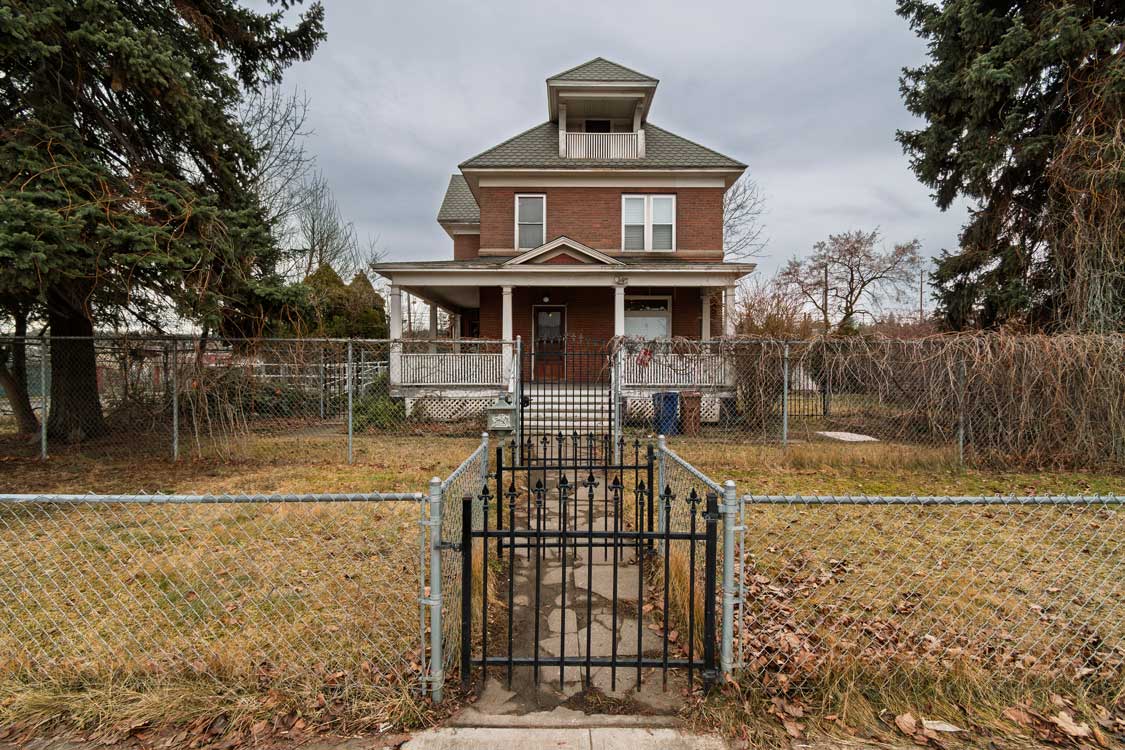

Owning an older home in Spokane or Northern Idaho means dealing with plumbing that’s seen better days. If your home still has galvanized steel, lead, or polybutylene pipes, they’re not just outdated—they could be causing leaks, low water pressure, and even water contamination.
Over time, old pipes rust, corrode, and weaken, leading to water discoloration, strange odors, or hidden leaks behind walls. Ignoring the warning signs can lead to major water damage and costly repairs.
The good news? You don’t have to wait for a burst pipe to take action. Knowing when it’s time to repipe can save you money, prevent damage, and keep your water supply safe. Here’s what to watch for.
Common Plumbing Problems in Older Homes
Plumbing systems in older homes face specific challenges due to their age and outdated materials. Leaks, corrosion, and old pipe materials that don’t meet modern safety standards are frequent culprits. Pipes made from materials like galvanized steel, cast iron, or lead tend to degrade over time, leading to restricted water flow, contamination, and potential damage to the home’s structure.
For instance, galvanized steel pipes, widely used before the mid-1900s, often corrode internally. This reduces water pressure and releases rust into the water supply. Lead pipes, another outdated material, raise serious health concerns, especially for children and pregnant women. When homes still have these materials, upgrading the plumbing system becomes essential for safety and proper function.
Ignoring plumbing problems can lead to much higher expenses over time. Even a small leak can cause water damage to walls, floors, and a home’s foundation. Regular inspections and timely upgrades to the plumbing system can prevent these issues and save money in the long run.
Key Signs You Need to Repipe Your Home
Frequent Leaks
Constantly repairing leaks is a sign the pipes are wearing out. While an occasional leak can be patched, recurring problems usually mean the pipes are nearing the end of their lifespan. Left unchecked, frequent leaks can lead to water damage, mold, and mounting repair costs. A professional plumber can help you decide if it’s time for repiping.
Discolored or Foul-Smelling Water
Brownish water or unpleasant odors from the tap often indicate internal corrosion in the pipes. This can release harmful particles into the water, affecting its quality and safety. If you notice water discoloration or odd smells, consulting a plumber is a good first step to evaluate whether repiping is needed.
Low Water Pressure
Weak water pressure during showers or appliance use can stem from mineral buildup or corroded pipes restricting water flow. Beyond inconvenience, low pressure signals that the plumbing system needs attention sooner rather than later.
Visible Corrosion or Rust on Pipes
Exposed pipes in basements or under sinks often show visible signs of their condition. Rust, greenish-blue corrosion, or flaking on pipe surfaces are clear indicators of deterioration. Replacing these pipes before they fail can save you from costly damage.
Noisy Pipes (Banging or Rattling)
Loud banging or rattling sounds from pipes often happen when water flow is disrupted by loose or unstable pipes. These noises may also suggest air pockets or pressure issues within the plumbing system. Both instances point to underlying problems that might require repiping.
Age of Plumbing System (Over 50 Years Old)
If the plumbing system is older than 50 years, it’s likely made from outdated materials like galvanized steel, cast iron, or lead. These materials have a limited lifespan, and replacing them proactively can prevent costly repairs down the line.
Understanding the Cost to Replace Plumbing
Factors Affecting Cost
Several factors influence the cost of replacing plumbing in older homes. The size and layout of the house are major considerations, as larger homes require more materials and labor. The type of piping material also impacts expenses. Copper pipes, for example, are durable and long-lasting but come at a higher price. On the other hand, PEX pipes are more affordable and simpler to install.
Accessibility of the plumbing system also matters. Pipes located behind walls or under floors require more time and effort to replace, increasing labor costs. Additionally, local labor rates and permit fees can vary by region, which may affect the overall price.
Average Cost Estimates
Replacing plumbing in an older house can cost up to $20,000, depending on the size and complexity of the project. For a 2,000-square-foot home, homeowners typically spend up to $15,000 for a complete repiping job. These costs generally include materials, labor, and permits, but getting a detailed estimate from a trusted plumber is always a good idea.
Benefits of Professional Repiping
Improved Water Quality
New pipes remove rust, lead, and other contaminants from the water supply. Clean water is essential for your family’s health, and updating old pipes ensures it stays that way.
Increased Water Pressure
Replacing old plumbing restores proper water flow, ensuring consistent pressure for showers, faucets, and appliances. Everyday tasks like washing dishes or doing laundry become much easier.
Prevention of Future Leaks and Water Damage
Older pipes are more likely to develop leaks, which can lead to serious water damage. Repiping eliminates this risk, saving you money on potential repairs and protecting the home’s structural integrity.
Enhanced Home Value
An updated plumbing system is a strong selling point for potential buyers. Repiping makes the home more functional and increases its overall value on the market.
Peace of Mind
Knowing your plumbing system is modern and reliable reduces the stress of dealing with unexpected leaks or water issues. Professional repiping offers long-term durability and safety.
Replace Failing Pipes Before They Cost You More
Old, deteriorating pipes aren’t just an inconvenience—they’re a ticking time bomb. Waiting too long can mean costly water damage, skyrocketing repair bills, and even health risks from contaminated water.
Bulldog Rooter makes repiping simple, fast, and hassle-free. Whether you need a full repipe or just an expert assessment, we’re here 24/7 to get the job done right.
Call Bulldog Rooter at (509) 687-7001, schedule online today, or email [email protected] to schedule your repiping consultation today.
Gotta Clog? Call the Dog!